
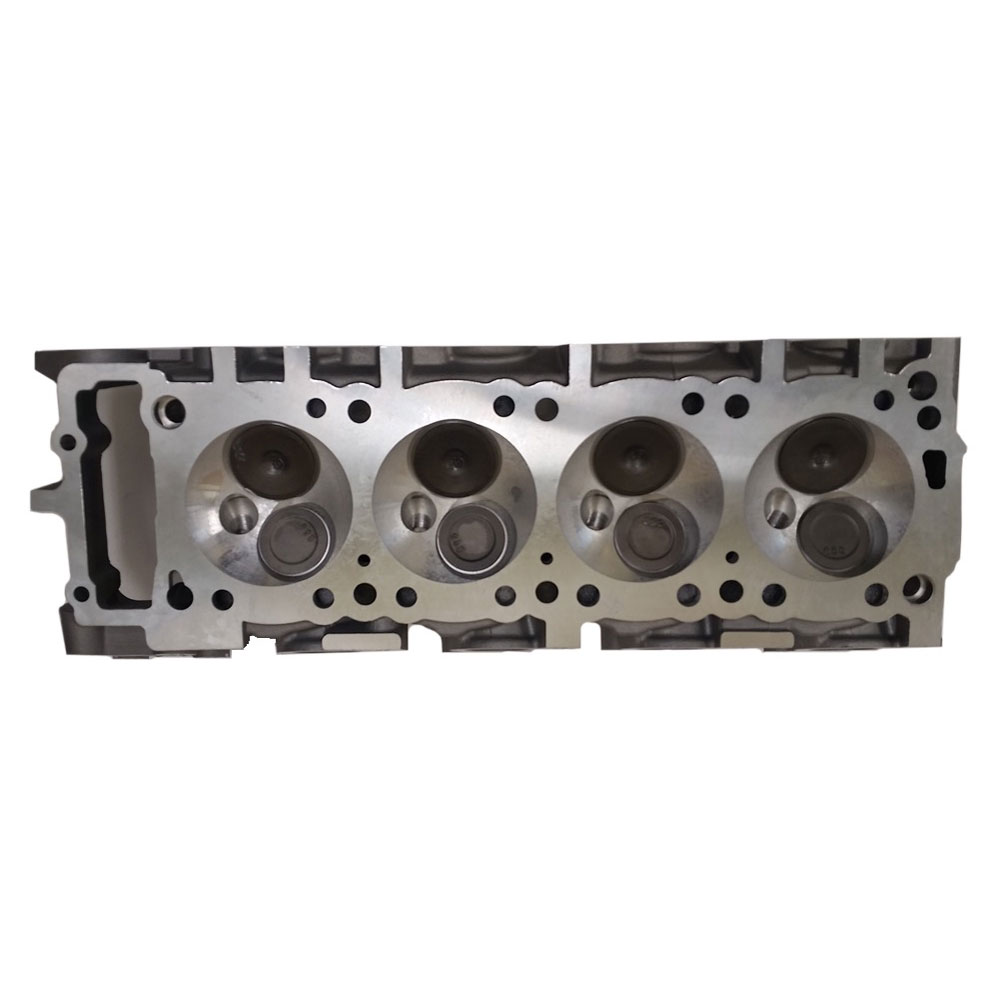
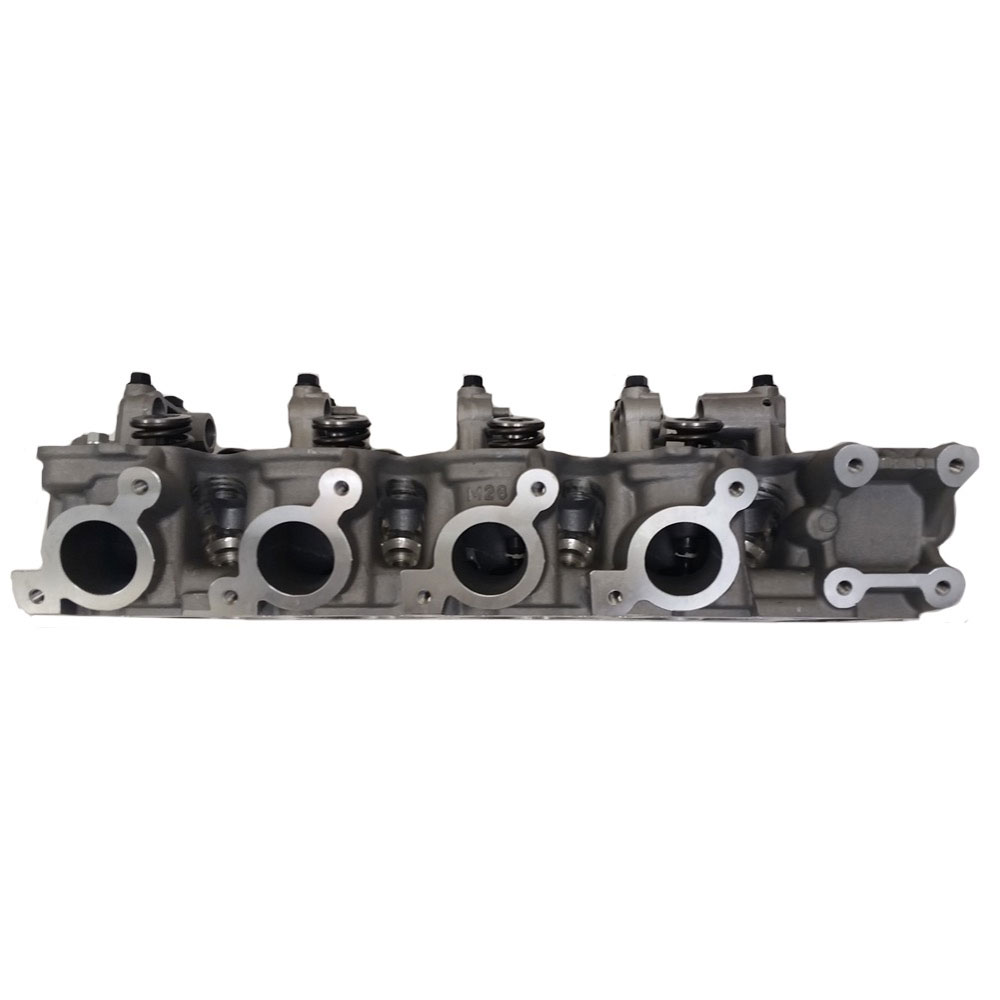
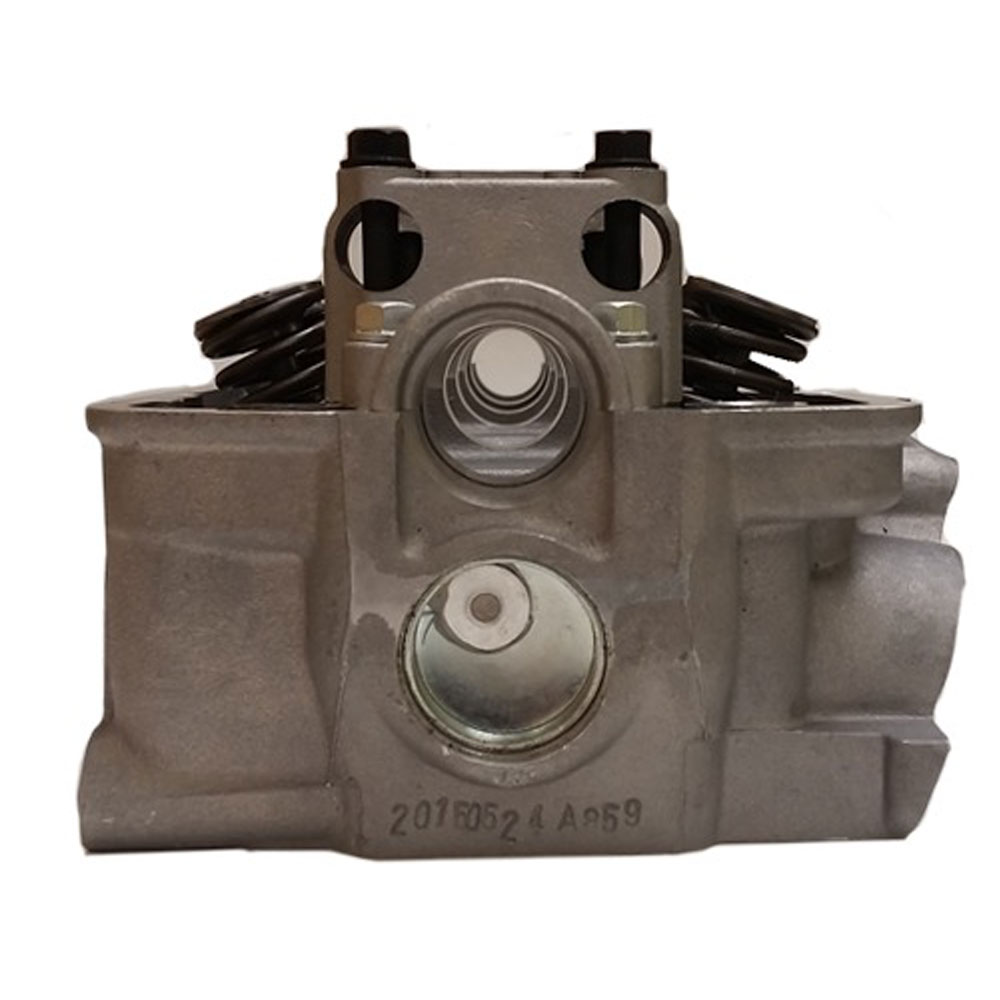
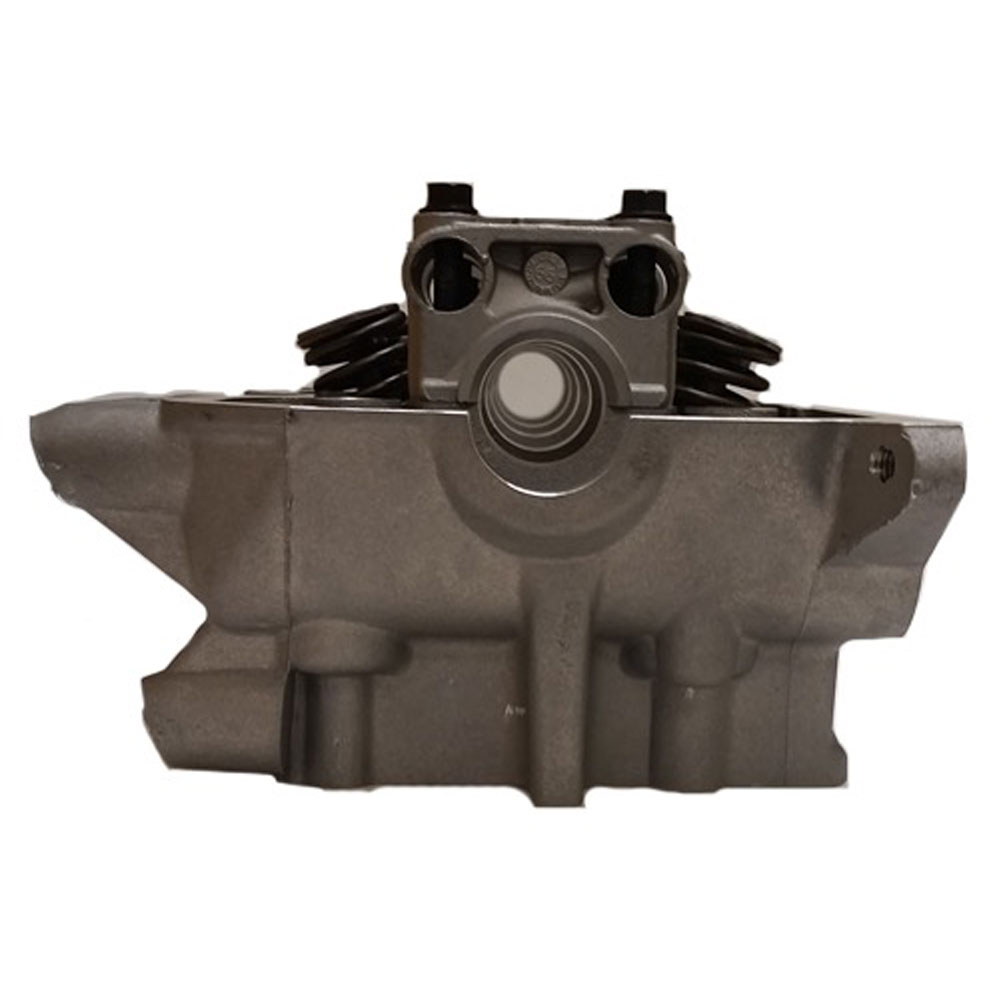
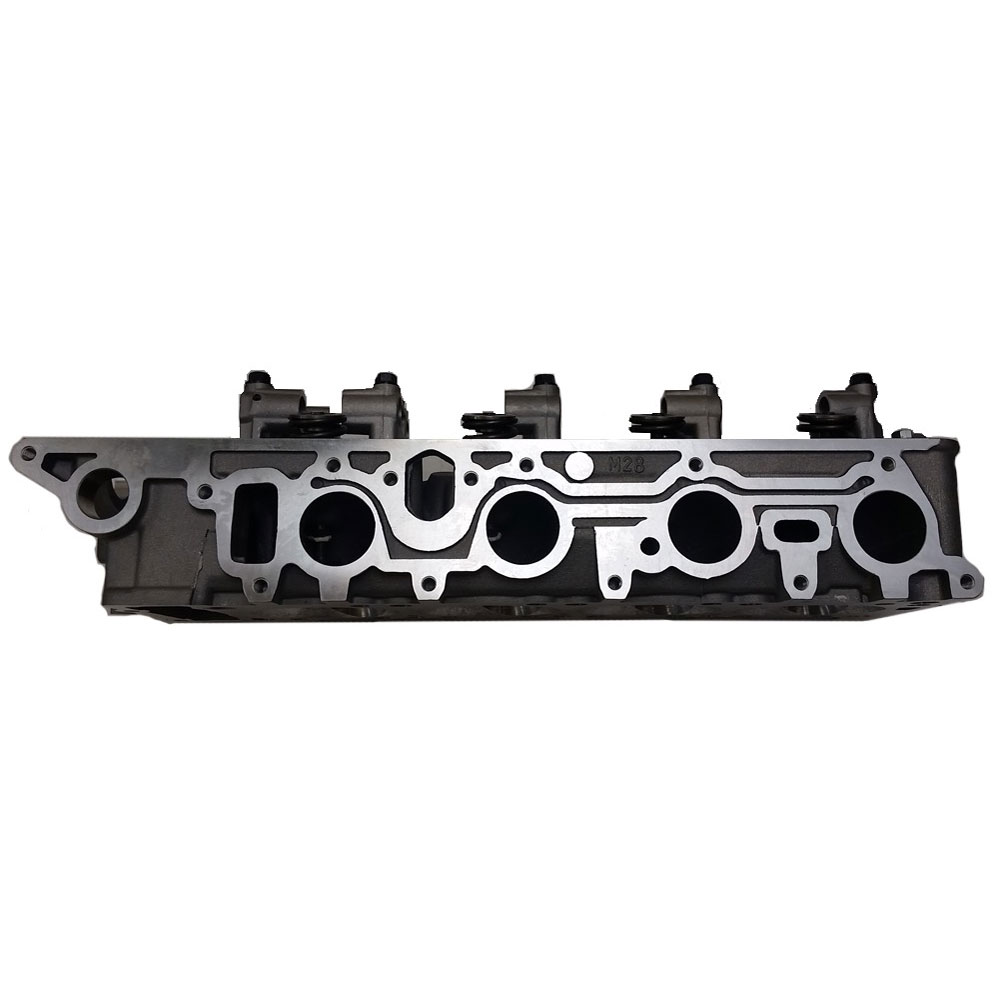
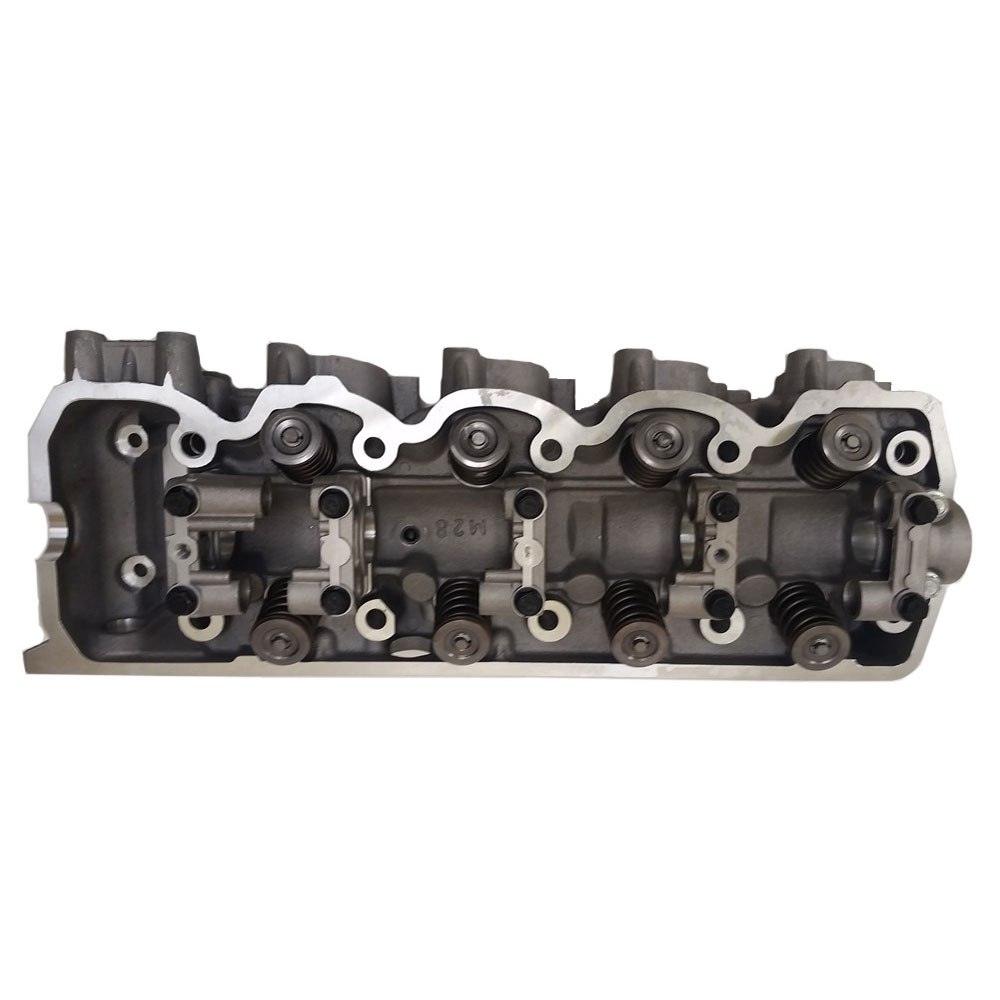
GM Crate Engines Can Bring New Life to an Old Vehicle

You have a car or truck that has seen its better days. When it was younger you drove it everywhere. Trusty and reliable, it never let you down. You came to love it. But now it’s belching smoke from the exhaust, it barely starts, and you wouldn’t drive it around the block.

Don’t send it off to the junkyard, and don’t let it turn to rust in your barn. Bring it back to life with one of our GM Performance Parts crate engines. They’re built to last as long as the OEM motor, and made with all new parts to precise tolerances by master mechanics.

So don’t say a tearful goodbye to your old friend. Bring it back to life with a quality crate engine from PerformanceParts.com. You can find the one you need by going here.

Technorati Tags: , , , , , , , ,

Stainless Steel Cross Drilled Rotor – Part # 23900AA2R

Now you can enjoy a degree of braking power and control like you’ve never known before. Stainless Steel Slotted and Cross Drilled Rotors offer these fantastic benefits:

*Gas and dust are vented away from the brakes. This prevents the dangerous problem of “cake-over” that can form a film on pad and rotor surfaces, making them slippery and reducing their effectiveness
*Heat is dispelled much quicker than with traditional rotors. This feature guards against burning and warping
*Brake pads make much better contact with the rotor surface, allowing you to stop quicker than with the competition’s components

The Stainless Steel Brake Company is the gold standard for superior quality brake products. For nearly 40 years they have led the way in developing cutting edge parts that give performance drivers greater control over their vehicles, keeping them and their treasured rides safe from harm. Order yours today.

Technorati Tags: , , , , ,

NASCAR’s Wild Years are Relived in this Exciting Book

SA-CarTech CT409 NASCAR’S Wild Years
Alex Gabbard

For NASCAR, the 1960′s was the decade of intense factory competition. From the full on “Total Performance” effort by Ford to win everything, the Hemi powered cars of the Chrysler Corporation, to the back door support of General Motors 427 big block engines. Special race engines were being developed and the decade ended with wild specially designed, aerodynamically slick bodies. The battle lines were drawn among the factories and the fans were treated to some legendary race cars and even more legendary drivers. It’s all here in this book, from small, southern dirt tracks to the super speedways. All the drama and excitement is right here in the 150 color and 100 black and white photos.
Another great title from CarTech Books.

ISBN: 1-932494-09-X

Technorati Tags: , , , , , , ,

Part # 16483 MagnaFlow Cat-Back System 2010 Camaro,

Magnaflow Exhaust system components are the finest on the market today – period. Magnaflow exhaust system components are crafted from high grade aircraft quality stainless steel components and feature stainless welds and clamps. All kits come complete for an easy bolt on installation that can be done in a driveway with simple hand tools. All of our products are backed by a Magnaflow Lifetime Warranty. Check out this system on our website today

Technorati Tags: , , , , ,

MSD-6A Digital Ignition Coil – Part # 6201

The MSD 6A Ignition Control set the standards that other ignitions strive to reach. Now the bar has been raised even higher with the all new Digital 6A ignition Control.

MSD started with a clean slate when they drew up the plans for the new housing. They retained the same footprint as the traditional 6AL but lowered the profile for a sleeker look. The wiring is all routed out one end of the unit through a sealed and locking connector. This makes installation a simple, no-hassle affair while keeping your wiring looking neat and clean.

Inside the Digital 6A is a microprocessor that monitors and controls every firing. The circuits are updated with efficient components that help the ignition produce more power while drawing less current. In fact, the new Digital 6A deliver over 530 volts to the coil with up to 135mJ of spark energy for every firing.

The new Digital 6A comes with the wiring harness and the components you’ll need for installation. The ignitions are compatible on 4, 6 or 8-cylinder engines with 12-volt, negative ground electrical systems. They accept trigger inputs from breaker points, amplifiers and magnetic pickups.

Performance Springs for the 2011-12 Chevy Cruze – Part # 38149.140

THIS PART # MATCHES THE PRO-KIT FOR CHEVY CRUZE 2011-12

-Lower Center of Gravity — Lowers Cruze 0.8” Front
and 1.2” Rear
-Stop Quicker, Corner Faster and get Better MPG
-Million Mile Warranty

Eibach PRO-KIT is the perfect answer for most frequently-driven
street cars. It´s our legendary spring system that drastically
enhances both a vehicle´s performance and appearance.

PRO-KIT lowers your Cruze’s center of gravity, reducing squat
during acceleration, body roll in corners and excessive nose-dive
under braking. When combined with Plus-1 or Plus-2 wheels
and tires, the Eibach PRO-KIT is the finishing touch to a winning
recipe for performance. PRO-KIT also reduces excessive fenderwell
clearance, making your car look just as hot as it performs.

Every Eibach PRO-KIT is designed
and tested by our suspension engineers and driving professionals,
to deliver high performance
handling and aggressive good looks, without ever compromising
safety or ride quality. By using our proprietary, progressive
spring design, PRO-KIT provides the ultimate balance to take
your passion for driving to a whole new level.

Technorati Tags: , , , , ,

Fel-Pro Oil Seals – Part # 2900

Don’t trust just any seal when it comes to the engine you’ve invested so much time and work into. Fel-Pro seals are crafted from top-quality materials like silicone, polyacrylate, and flouro-elastomer. That’s why both NASCAR and NHRA teams swear by them. They know that a Fel-Pro seal with stand up to the punishing treatment that comes with racing environments. Go with the best: Fel-Pro. Order yours today.

Technorati Tags: , , , ,

New from Performance Parts: Dashboard for 2010+ Camaro from Autometer – Part # 5286


Enhance the looks of your 2010 or newer Camaro with this bold new dashboard from Autometer.   Gauges can be purchased separately from performanceparts.com.

Since 1957 Autometer has been driven to provide performance enthusiasts with the information they need to win. They have revolutionized the way that racers and vehicle builders think about instrumentation and vehicle electronics for more than 50 years.

Technorati Tags: , , ,

Build your Own Home Workshop, Part 6: Welding

by Bill Wilson

Welding is a handy skill to have, not just for working on cars and trucks but also for doing general repairs around your home or for friends and neighbors. In this installment we’re going to cover the fundamentals that you need to know to set up a safe, simple and effective welding station with which you can do basic welds.

This article is intended as a high-level introduction to the subject, not as an in-depth tutorial. If you’ve never welded before and you want to pursue this subject further, there are plenty of more advanced learning resources available, from books and videos to classes offered at tech schools and career centers across the country.

What is Welding?

Simply put, welding is a method by which two pieces of metal are joined together by applying extreme heat to both. Done properly, the result is a bond between the two which is incredibly strong and durable. All types of metal can be welded, including iron, steel and aluminum. Even different types of metal can be joined in this way, such as aluminum and steel.

Safety Considerations

Welding has a reputation, largely undeserved, for being a dangerous profession. This is due primarily to the fact that it involves creating the extremely high temperatures needed to melt metal. For example, to melt iron or steel requires temperatures close to 3000 degrees Fahrenheit (app. 1600 degrees Celsius)!

To do this usually involves generating electric arcs or using combustible gasses that are under high pressure and are set aflame with a spark. If caution isn’t exercised when welding, the result can be severe shocks or damage to the lungs from inhaling fumes. In addition, burns to the skin or the eyes can occur if proper safety equipment isn’t worn.

Fortunately, these kinds of hazards can be avoided by following some basic precautions. Here’s a list of equipment that you’ll need before you start welding.

Helmet/Hood

This is an absolute must for any welder. Welding arcs give off intense amounts
of ultraviolet radiation, which can do the same damage to your eyes as staring at the sun for long periods of time. To protect against this you need a hood, also known as a helmet, that covers your eyes, face and neck. Cheaper ones have lenses that you can change out by hand, but nowadays most welders use auto-darkening masks that automatically adjust to give your retinas the necessary amount of shade.
These hoods can be found for as little as fifty bucks or so, and do an excellent job of guarding against vision loss. Amazon.com and northerntools.com both sell them, or you can just visit your local welding shop.

Gloves

These are a necessity for welding. Some seasoned welders get by with cotton or wool ones, but for a beginner there’s real only one choice. Buy a pair of quality cowhide ones that cover your hands and forearms and are insulated. NEVER use gloves made of a synthetic material, as these will invariably melt or catch fire, injuring you seriously.

Apron

Another item you simply cannot afford to do without. Get a quality leather apron. It will protect you from flecks of molten metal that occasionally leap off the work area. If one of those touches exposed skin then you’re going to the hospital.

Hat

Especially important if you have longer hair. Wear cotton, not synthetic. Yes, cotton can catch fire, but in this case it’s acceptable, since the only other alternatives usually available are made of synthetic materials that can melt into your skin. Welding shops have cheap hats that are made especially for this purpose.

Basic Safety Practices

Wind and bright sunlight are your enemies when welding. The sun makes it harder to see the flame from your torch, and wind or fan-blown air will interfere with the gasses and electric arcs needed for a strong weld. Do your welding inside the shop, and be ready to deal with the heat. In the summertime keep plenty of cold water or one of those thirst quenching drinks like Gatorade close at hand. If you find yourself sweating profusely or getting dizzy, STOP and take a break. Heat stroke will kill you quick.

While you don’t want wind or fan-blown air, you do want plenty of ventilation in the area where you’re working. Welding creates noxious fumes that can choke you. Be certain you’re not in a tight or enclosed area.

Make sure the pieces you’re welding together are well supported. Metal supports known as “dead men” are readily available, or you can make your own from threaded rod. The parts you’re working on MUST be in the correct orientation, else you’ll be doing the job a second time, and that’s no fun at all.

It can be tempting to just lay the pieces out on a concrete floor and join them together there. Don’t. The heat from a welding torch is so intense that it will vaporize the moisture in the concrete, sending a flash of steam right at you or even dislodging a chunk of cement that, under pressure from heat and steam, will fly at you like a bullet.
Do your welding on a welding table or by using proper supports.


Types of Welders

Stick Welding – if all you want to do is simple repairs or basic jobs like joining angle iron together, then this is all the welding you need to learn. Also known as shielded metal arc welding, good systems can be bought new for under $100. This process uses an electric arc that makes direct contact with the metal. The heat of the arc is adjusted by setting the power level, which normally runs from 30 to 225 amps for a basic unit. Lots of farmers are old hands at using these kinds of welders to repair plow blades and other equipment, and perhaps one will show you how to do it if you ask him nicely.

Oxy-Acetylene Gas Welding

This is truly the old-school approach to welding. It offers the advantage of affordability; used rigs are plentiful on sites like craigslist.org as well as in local trade papers. And having one gives you the ability to both weld and cut metal.

One thing to watch out for is the age of the tanks, which must be recertified every 10 years. A used set might need to be recertified, which can be done at a local welding shop. Or you can simply rent tanks form the same store.

MIG/Flux-Core Wire-Feed Welding

This is perhaps the most common type of welding rig you’ll see in auto shops. It relies on a wire feed as well as an inert gas such as argon to complete the weld. A used 120 volt setup will set you back about around $150-$200, not including the gas bottles, which can be picked up at a welding shop.

Making Your Welding Rig Portable

You will probably want a cart to put your welding tools in, so you can take them to the site where the work is being done. These need not be fancy or expensive. In fact, you can buy a cart for $50 or so from Harbor Freight Tools (www.harborfreight.com) . Normally I wouldn’t recommend Harbor Freight as a source for equipment, but they’re not bad at all when it comes to basic items like this one. In addition to their website they have stores in most large to mid-size cities. They’re fun places to browse around, with thousands of items of varying levels of quality.

Wrapping Things Up

I hope you’ve enjoyed this series on putting together your own auto shop. For more information on specific topics, check out the great selection of books available at www.performanceparts.com. Feel free to email or call us with any questions, and best of luck with your automotive projects!

Technorati Tags: , , , , , ,

Build Your Own Home Workshop, Part 5: Electric Tools and Testers

by Bill Wilson

Power-driven tools add a host of new capabilities to the home workshop, but they can also quickly become prohibitively expensive. In this post I will spend most of the time discussing the basic ones that almost every shop will want to have. Later on I’ll discuss others that will come in handy for more specialized tasks, such as bodywork, painting and mounting tires to wheels.

Drill Press

This is a must-have for any properly equipped shop. Fortunately, perfectly adequate ones can be found at very reasonable costs. You’ll definitely want one with an attached vise to hold parts in place while you drill. Otherwise parts are likely to start spinning around like a top.

Try to get a drill press with at least a ½ horsepower motor. One way to save money is to buy a press that mounts on a table, as opposed to one with a built-in floor stand.

In addition to the press, you’ll want quality hardened bits in all the major sizes, such as ¼, 5/16, ½, 9/16, etc. Make sure they’re intended for metalwork. Have plenty of spares as well, because nothing will wear a bit down like drilling through steel. Step-bits have a specially designed head that creates a pilot hole for the main bit to follow. Buy these if your budget permits; you’ll find they save a lot of hassle.

Handheld/Angle Grinder

If you get no other power tool, get one of these, along with several different types of grinding discs. They clean up the crud left over after welding. They remove excess metal or paint. They’ll make short work of surface rust. They can even be used to sharpen a lawnmower blade that has been removed from the mower and securely clamped into a vise. Always wear goggles or safety glasses when using one of these simple yet amazing tools.

Bench Grinder

This is one of those classic tools that can do dozens of jobs. It earns its keep soon after purchase. A typical grinder will have a rough stone on one end and a smoother stone on the other. They’re great for removing metal. Others have wire wheels on both ends for stripping away paint and rust. Buy both kinds if you can. They come in handy quite often.

Belt Sanders

These are similar to grinders, except they are good for more precise tasks, such as shaping sheet metal or small parts.

Bandsaw

Good to have on hand for cutting aluminum and softer materials. Be sure to use fine-toothed blades meant for cutting metal metal.

Chop Saw/Circular Saw

Another tool that will slice through metal the way a kitchen knife cuts through bread. Carbide- or diamond-tipped blades will last longer, and their costs reflect that fact. There are circular saws on the market that spin slower than the ones used by woodworkers. These are acceptable alternatives.

NEVER use the high-speed table or circular saws popular with furniture builders and carpenters. They spin so fast that metal cutting blades can come apart during the job, sending ultra-sharp shrapnel flying through the air towards your head. Something like that could ruin your whole day, quick.

Vehicle Battery Charger

Excellent for – what else? – charging batteries!

Diagnostic Tools

Code Reader

A good one can be had for around $50. It’s the single best investment you can make for working on cars made after 1995. The onboard diagnostic system will tell you where the trouble lies, saving you hours of troubleshooting. By plugging one into the vehicle’s access port you can download its codes, so you’ll know what they’re trying to tell you.
Without the ability to properly diagnose what’s wrong, you’re left with no other choice but to guess, and to replace parts blindly in hopes of getting it right.

Timing Light

Here’s another item you can’t afford to be without. Most cars are timed by the number-1 cylinder. A timing light connects to both the plug wire for that cylinder and the vehicle’s battery. Pointing the light at the pulley tells you whether the timing mark on the pulley is in sync with the one on the body of the engine.

Very basic timing lights can be found, as well as ones with all sorts of bells and whistle that add nothing to the tool’s basic purpose. Get a simple, dependable one made by a reputable manufacturer. You’ll be very glad you did.

Multimeter and Continuity Tester

I hate working on vehicle electrical systems. So do most people. Nonetheless, it’s a task that can’t be avoided forever. A multimeter will make the job simpler. With one, you can check around faults, hot wires, and virtually everything electric in the vehicle. If you’ve never used one, there are plenty of videos on YouTube and other sites that will teach you the basics.

A continuity tester makes testing for electric current an easy affair. Attach the alligator clip to the end that you think has power, and then touch the metal probe to ground. If the light comes on you’ve got juice. If not, you’ve got problems that might cause a lot of aggravation to fix. See why I hate working with wiring?

Battery/Alternator Tester

You can get away with buying one of these at a discount store because they are very simple inside. Attach the leads to the poles of the battery or alternator and pull the switch. If the gauge shows 13-14 volts and holds steady then you’re in good shape. If it drops below 12 volts after 15 seconds or so then the battery or alternator needs replacing.

Spark Tester

These run under 20 bucks and are worth every penny. Stick it into a plug wire and you’ll soon know if you’re getting spark.

Compression Tester

Tearing down and rebuilding engines is a dying art, especially since crate engines have become so affordable. Nonetheless, you’ll still need to diagnose internal problems, a task that a compression tester makes easy. You’ll find kinds that screw into a spark plug hole as well as ones with rubber tips that you’ll need to hold in yourself. The thread-in ones are more time-consuming but also more accurate.

Using Compressed Air Without Breaking Your Budget

Most professional shops have large, powerful compressors and fittings placed throughout the work area where pneumatic drills and other tools can be plugged in. Learning how to create a setup like that is beyond the scope of these articles, but it is certainly within the abilities of a seasoned home mechanic who can supply the needed voltage. PVC pipe provides a fairly inexpensive material to fashion the lines from. If you go this route, be sure to use at least Schedule 40 PVC, which is rated for 289 PSI in ¾ inch pipe and 270 PSI in one inch pipe. This book gives detailed instructions on how to outfit your shop in this way.

On the other hand, a portable compressor can be had for under $500 that will meet the needs of most enthusiasts. A 15 gallon model that generates 200 PSI will reliably create 5.4 SCFM at 90 PSI, enough force to run an impact wrench, ratchet wrench, paint sprayer or air sander. Direct drive models don’t need added oil, and most folks find they run a bit quieter than belt-driven ones.

Equip your shop with the tools and testers described in this article and the one previous to it and you’ll be well prepared to handle almost any job that the home mechanic is likely to face. Of course you may want to expand your capabilities further, specifically into doing jobs that require welding skills and equipment. We’ll look at this topic in the next post.

Technorati Tags: , , , , , , ,